How to choose a dash cam
Channels: how many cameras you need
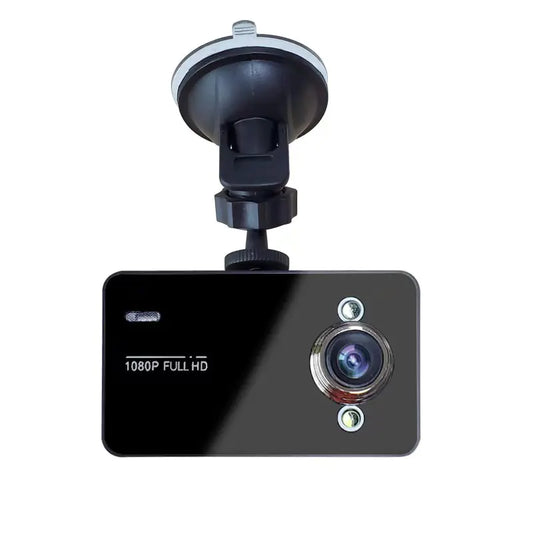
1-channel cameras record the road ahead and suit most commuters. 2-channel (front and rear) also catch rear-end collisions and tailgaters. 3-channel models add a cabin camera, which rideshare and delivery drivers use to record passengers.
Resolution and night video
1080p is enough to see what happened; 2K and 4K make license plates easier to read, especially at a distance. For night driving, look for a Sony STARVIS or STARVIS 2 sensor, listed on each product page where the maker publishes it.
Wi-Fi, GPS and cloud
Wi-Fi lets you download clips to your phone without pulling the memory card. GPS adds speed and location to the footage. Cloud dash cams such as BlackVue's LTE and Cloud models can send alerts and live view to your phone when connected to the internet.
Parking mode and power
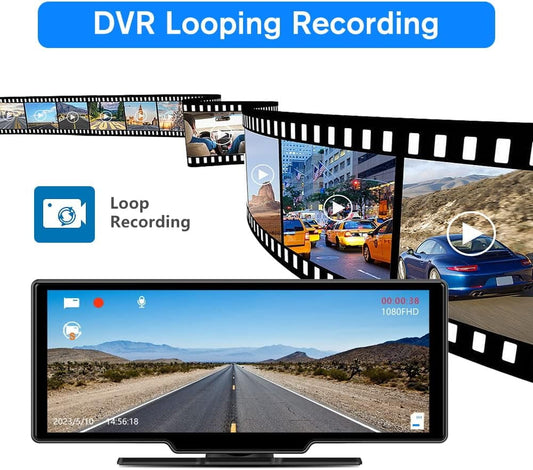
Parking mode records bumps and motion while the car is off. Most cameras need a hardwire kit or a dash cam battery pack to do this, so check the product page before you buy.
Dash cam FAQs
Do dash cams come with a memory card?
Some do and many don't. Each listing's "What's included" section says which. Use a high-endurance microSD card made for constant recording.
Is it legal to use a dash cam?
Dash cams are legal in every U.S. state, but some states limit where you mount them on the windshield and require telling passengers before recording audio. Check your state's rules.
Can I install it myself?
Yes. Plug-in models run from the 12V socket in minutes. Hardwiring for parking mode is a bit more work, and many owners use an installer.
Pair your dash cam with a phone mount from our phone accessories or keep cables tidy with interior car storage.